



Manual Therapy for the Upper Extremity
This two day course will enable the participant to understand the role of manual therapy in rehabilitation of the upper extremity and apply manual and exercise techniques appropriately.
Offering a wide range of course topics spanning the continuum of care, Therapy Network Seminars are designed to do one thing: make you a better clinician. Characterized by dynamic learning and interdisciplinary approaches, our seminars sharpen your critical thinking and provide you with evidence based skills and resources.
We recognize and embrace that we are an “allied health community” often treating our clients collectively across the lifespan and in similar environments. As a result, our courses are designed to be inclusive and not exclusive. Physical Therapy, Occupational Therapy and Athletic Training …we welcome you all.

This is very quickly becoming the “new” face of CE provision simply do to all the upside in content, quality control, cost and recruiting/retention. Whether it’s a single one-off seminar or a series of courses which are rolled out across your facilities or clinics, we’ll work with you to make sure the training completely meets your needs. Our in-service offerings are designed so your success is our success.
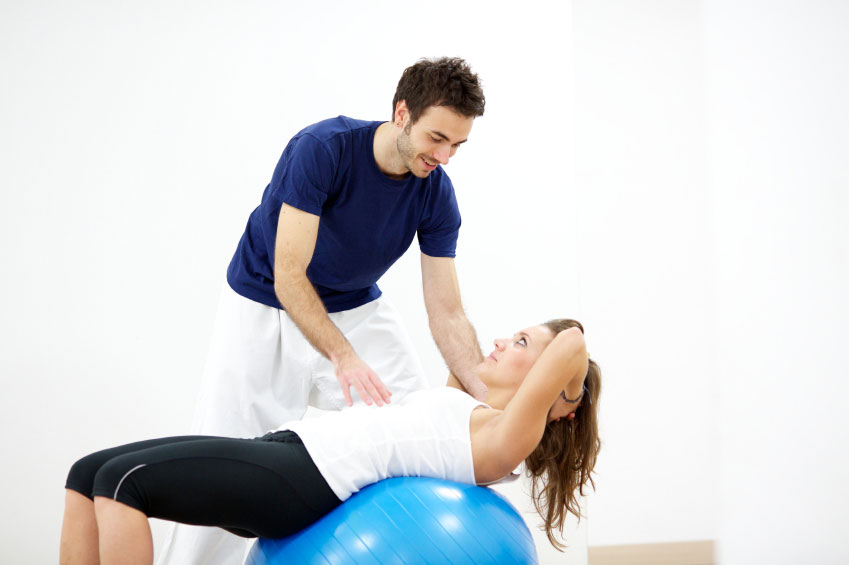
The Therapy Network Partner Program provides a platform for partners to build community, increase engagement and develop professionally. This collaboration facilitates the delivery of our programming through shared resources involving venues, educational tools and software, and shared logistics.
We love technology as much as you. So much so that we built an accessible website that functions seamlessly on any platform: smart phone, tablet, or desktop. We welcome your emails but recognize that sometimes you just need a real person to talk with. Please call us and if by chance we are not sitting idle by the phone just leave a message. We promise to return your call promptly. – you’re the customer.
This two day course will enable the participant to understand the role of manual therapy in rehabilitation of the upper extremity and apply manual and exercise techniques appropriately.
“This course completely changed my way of thinking about cumulative trauma.”
Copyright © 2026 Therapy Network Seminars. All rights reserved. - Web Design & SEO by TheeDesign Studio